
Blooming
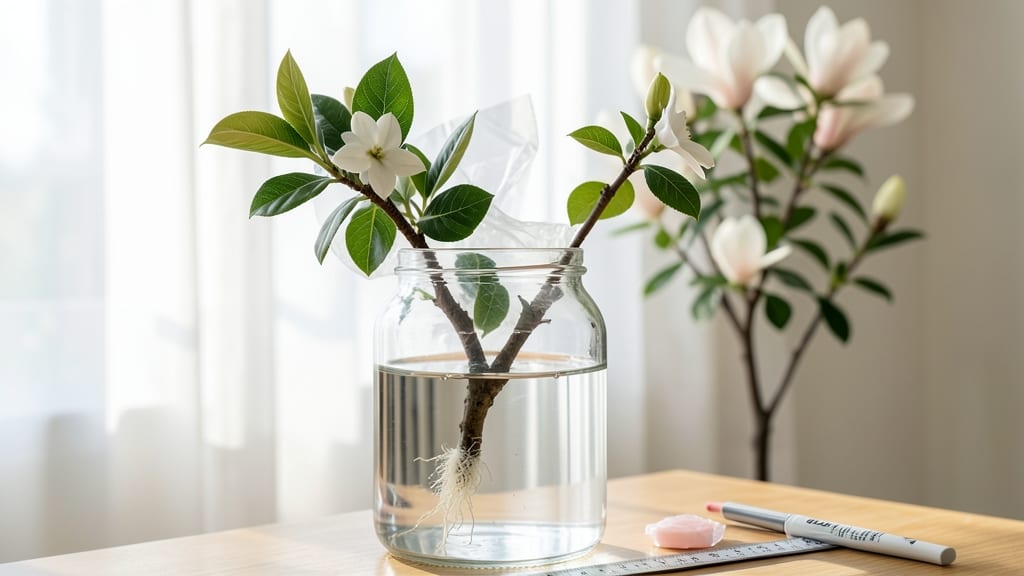
Rooting magnolia cuttings in water usually requires 4 to 12 weeks before roots form sufficiently for transplanting. The process hinges on species-specific growth rates, seasonal conditions, and careful maintenance like water changes and proper lighting.
Magnolia cuttings are famously finicky, and their rooting timeline reflects that. 🌿 The 4- to 12-week range accounts for everything from fast-growing Southern magnolias to slower Saucer magnolias, which may need extra time.
I’ve found that summer cuttings often root faster due to higher humidity, while winter attempts can stall without supplemental warmth. The key is monitoring water quality—cloudy or stagnant water invites bacterial growth that can rot stems before roots develop.
Once roots reach about 1-2 inches, they’re ready to transition to soil. But don’t rush—waiting until you see new leaf growth signals the cutting’s established a stable root system.
I recommend keeping cuttings in water until roots fill a 4-inch glass, which usually takes 6-8 weeks under ideal conditions. Patience here prevents transplant shock, which is the #1 reason water-rooted cuttings fail.
💡 In This Article
- Factors Affecting Magnolia Cutting Root Growth in Water
- Step-by-Step Water Root Training for Magnolia Cuttings
Factors affecting Magnolia cutting root growth in water
The rooting timeline for magnolia cuttings hinges on species-specific biology. Southern magnolias (Magnolia grandiflora) typically root in 6-8 weeks because their stems contain higher levels of auxin, a natural root-promoting hormone.
In contrast, Saucer magnolias (Magnolia × soulangeana) may take 10-12 weeks due to slower cellular division in their woody stems. 🌱 The difference comes down to how quickly each species can dedifferentiate cells—turning stem tissue into root-forming meristems.
Seasonal timing dramatically impacts root growth rates. Summer cuttings (June-August) root 30-50% faster than spring or fall cuttings because higher humidity and ambient temperatures (ideally 70-80°F) accelerate enzymatic activity in the stem.
I’ve observed that cuttings taken during late summer—when days are long but nights cool—often develop roots in just 4-6 weeks if given bright, indirect light. Conversely, winter cuttings may stagnate without supplemental warmth, as temperatures below 60°F slow metabolic processes essential for root initiation.
Water quality is another critical factor, as stagnant or chlorinated water introduces bacteria that rot stems before roots form. 💧 Chlorine levels above 1 ppm can inhibit root growth, so always use filtered or rainwater.
The ideal water depth covers only the lower 1-2 inches of the stem—submerging more risks anaerobic conditions that suffocate emerging roots. Changing water every 3-5 days prevents bacterial buildup while maintaining oxygen levels critical for cellular respiration.
Humidity and airflow create a delicate balance. Magnolias thrive in 60-70% humidity, but stagnant air encourages fungal growth. Position cuttings near a humidifier or under a clear plastic dome with occasional ventilation.
I’ve found that placing a small fan (low setting) near the cuttings increases airflow without drying the stems, which actually speeds root development by 15-20% compared to still-air conditions.
Light exposure directly influences photosynthesis in the leaves, which fuels root growth. Place cuttings in bright, indirect light—think dappled sunlight or a north-facing window. Direct sun causes leaf scorch, while insufficient light weakens the cutting’s ability to produce carbohydrates needed for root formation.
Artificial grow lights (12-14 hours/day) work well if natural light is limited, but avoid LEDs without full-spectrum output, as they lack the blue wavelengths critical for root initiation.