
Orchid Care
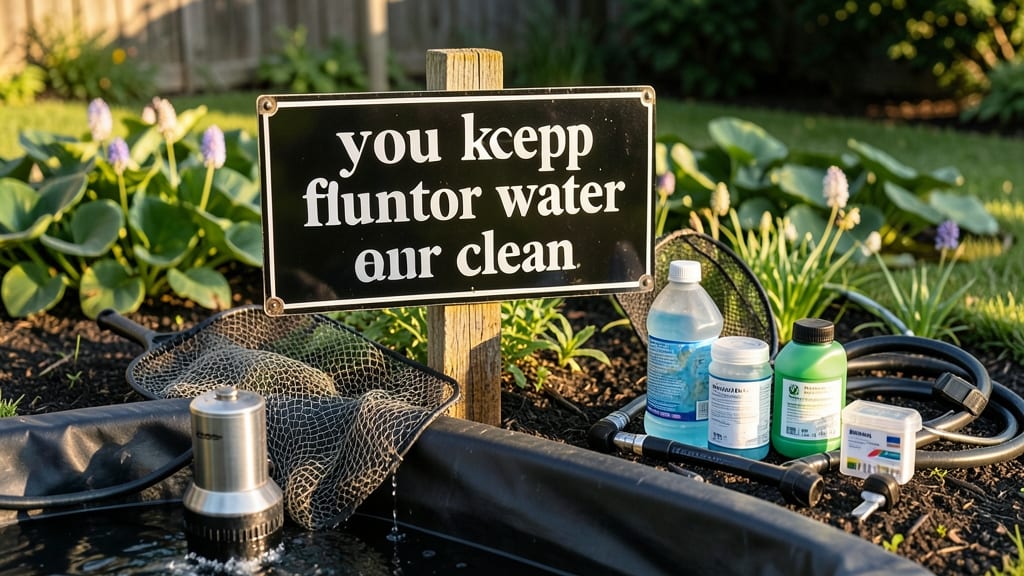
To keep fountain water clean, maintain a routine of daily skimming, partial water changes every 3–7 days, and using aquatic-safe clarifiers or barley straw to prevent algae growth. Regular pump filter maintenance and monthly component cleaning are essential for long-term clarity.
Clean fountain water isn't just about appearances—it's about creating a healthy environment for your aquatic plants and preventing harmful bacteria buildup. 💧 The key is balancing mechanical filtration with natural solutions like barley straw, which releases compounds that inhibit algae growth over time.
I've found that combining a pump filter system with weekly water testing for pH and hardness levels makes a noticeable difference in maintaining crystal-clear water. For best results, always use dechlorinated water and avoid overfeeding fish or plants, which can quickly cloud the water.
One common mistake I see is neglecting the pump and filter system—this is where most maintenance issues start. A clogged filter can't effectively remove debris, leading to stagnant water and algae blooms. Monthly deep cleaning of all components, including the pump housing and impeller, prevents these problems.
For fountains with live plants, consider adding a UV sterilizer to tackle microscopic algae that regular filtration might miss.
💡 In This Article
- Natural and Chemical Solutions for Fountain Water Clarity
- Step-by-Step Fountain Maintenance Schedule for Long-Term Care
Natural and chemical solutions for fountain water clarity
Barley straw works because it releases natural compounds called phenolic acids when submerged, which inhibit algae growth by disrupting their reproductive cycles. These compounds create an environment where algae spores struggle to germinate, reducing blooms by up to 90% over 6-8 weeks.
The straw doesn't require special handling—simply place 1-2 ounces per 100 gallons in a mesh bag and refresh every 3-4 months. For chemical-free clarity, this method is ideal but requires patience as the effects build gradually.
Clarifiers like polyaluminum chloride (PAC) or liquid potassium permanganate work by binding to suspended particles, causing them to clump and settle at the bottom for easy removal. These solutions are especially effective after heavy debris accumulation or algae die-offs.
A 1-2 ppm dose (parts per million) typically clears cloudiness within 24-48 hours. The key is precision—overuse can create harmful byproducts, while underuse leaves water murky. Always follow manufacturer guidelines and test water chemistry before and after treatment.
UV sterilizers eliminate microscopic algae and bacteria by exposing water to 254nm UV-C light, which damages their DNA and prevents reproduction. These systems require no chemicals and work continuously, making them perfect for fountains with frequent water movement.
For optimal results, install the UV bulb near the pump's return line where water flows steadily past the light source. Replace bulbs every 9-12 months as their effectiveness drops significantly after this period.
Chemical treatments like hydrogen peroxide (3%) or sodium thiosulfate target specific issues—peroxide oxidizes organic waste, while thiosulfate neutralizes chlorine and heavy metals. The downside? These require careful dosing and can disrupt beneficial bacteria in planted fountains.
For example, a 10 ppm peroxide solution left for 24 hours breaks down algae films, but must be fully rinsed out afterward to avoid harming aquatic life. Always test water parameters before introducing any chemical treatment.
For fountains with delicate ecosystems, consider activated carbon filters to remove chemical residues and improve water quality. These filters bind to dissolved organics, tannins, and even some medications that might enter the water.
Replace the carbon every 4-6 weeks or when it turns from black to brown—this color change indicates it's no longer effective. The trade-off? Carbon filters don't eliminate living algae or bacteria, so they work best as part of a multi-step system.
Here's a quick comparison of methods:
- Barley straw: Natural, slow-acting, best for prevention (cost: $5-$10)
- Clarifiers: Fast results, requires testing, good for emergencies (cost: $15-$30)
- UV sterilizers: Chemical-free, continuous protection, needs bulb replacement (cost: $100-$250)
- Chemical treatments: Targeted solutions, potential ecosystem disruption (cost: $10-$25)
Choose based on your fountain's specific needs—natural methods suit low-maintenance setups, while chemical or UV solutions work better for high-traffic or algae-prone environments. 💧