
Lawn
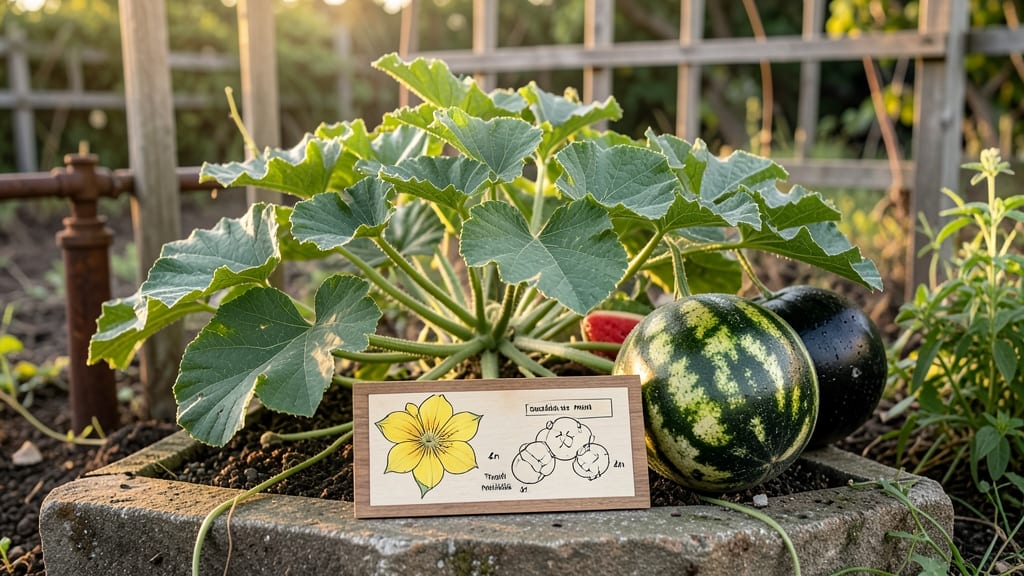
To make seedless watermelons, growers use triploid pollination by crossbreeding a tetraploid (4N) watermelon plant with a diploid (2N) plant, which produces fruit with sterile seeds that never mature.
This clever genetic trick works by creating watermelons with three sets of chromosomes (triploid) instead of the usual two.
The tetraploid parent contributes two sets, while the diploid pollen provides one, but the resulting seeds can't develop properly. 🌱 What's fascinating is that these seedless varieties often taste sweeter and have thicker rinds than traditional watermelons, though they require more care during pollination.
Home gardeners can achieve similar results by hand-pollinating specific varieties, though commercial growers use specialized breeding programs for consistency.
For those trying this at home, timing is everything—pollination must occur within the first 24 hours after the female flower opens. The fruit will grow just like regular watermelons, but without the need to scoop out seeds later.
This process isn't foolproof, though, as environmental factors like temperature and humidity can affect fruit development.
💡 In This Article
- The Science of Triploid Watermelon Pollination
- Growing Seedless Watermelons at Home
The science of triploid watermelon pollination
Triploid watermelons owe their seedlessness to a fascinating genetic quirk involving chromosome counts. Most plants, including regular watermelons, have two sets of chromosomes (diploid, 2N), but seedless varieties require three sets (triploid, 3N).
This is achieved by crossbreeding a tetraploid watermelon plant—one that's been genetically coaxed to have four sets of chromosomes (4N)—with a normal diploid (2N) plant. The resulting fruit inherits three sets of chromosomes, but the seeds can't develop properly because their genetic instructions are mismatched.
The magic happens when pollen from the diploid plant fertilizes the tetraploid plant's ovules. The tetraploid parent contributes two sets of chromosomes, while the diploid pollen adds one more. This creates a triploid seed that can't complete its life cycle—it lacks the proper genetic balance needed for seed development.
Instead, the plant focuses its energy on growing fruit, often resulting in sweeter, more uniform melons with thicker rinds. 🌱 Commercial seedless varieties like 'Sugar Baby' or 'Triple Crown' are bred this way, with growers carefully managing pollination to ensure consistent results.
What's interesting is how this process mimics nature's own shortcuts. In botany, triploidy is rare in nature but occurs occasionally in hybrids or when meiosis (cell division) goes awry. Watermelon breeders exploit this by using colchicine—a chemical that doubles chromosomes—to create tetraploid plants.
When these are pollinated with normal diploid pollen, the triploid offspring produce seedless fruit. The key here is timing: pollination must occur within 12-24 hours after the female flower opens, or the ovules won't develop properly.
This genetic trick isn't just about convenience—it also affects the fruit's quality. Seedless watermelons often have higher sugar content because the plant's energy isn't diverted to seed production. The flesh tends to be more uniform in texture, with fewer fibrous strands.
However, the trade-off is that these melons require more precise growing conditions.
Temperature swings or poor pollination can lead to smaller fruits or even failure to set fruit at all. 🌡️ Commercial growers use greenhouses or controlled environments to mitigate these risks, while home gardeners must be extra vigilant with their pollination efforts.
Another layer to this science is the role of hormones. The triploid condition disrupts the balance of gibberellins and auxins—hormones that regulate fruit development and seed growth. With seeds unable to form, the plant's hormonal signals shift to prioritize fruit expansion.
This is why seedless watermelons often grow larger and more consistently than seeded varieties. The process also reduces waste for consumers, as there's no need to scoop out seeds before eating, making them a favorite for picnics and snacking.
For those curious about the sensory differences, seedless watermelons often have a creamier texture and a more concentrated sweetness. The lack of seeds means the flesh is uninterrupted, creating a smoother eating experience.
However, some varieties can develop a slightly bitter taste if not pollinated correctly, so growers must monitor the process closely. The genetic complexity behind seedless watermelons is a perfect example of how plant breeding can solve practical problems while creating delicious results. 🍉