
Flowers
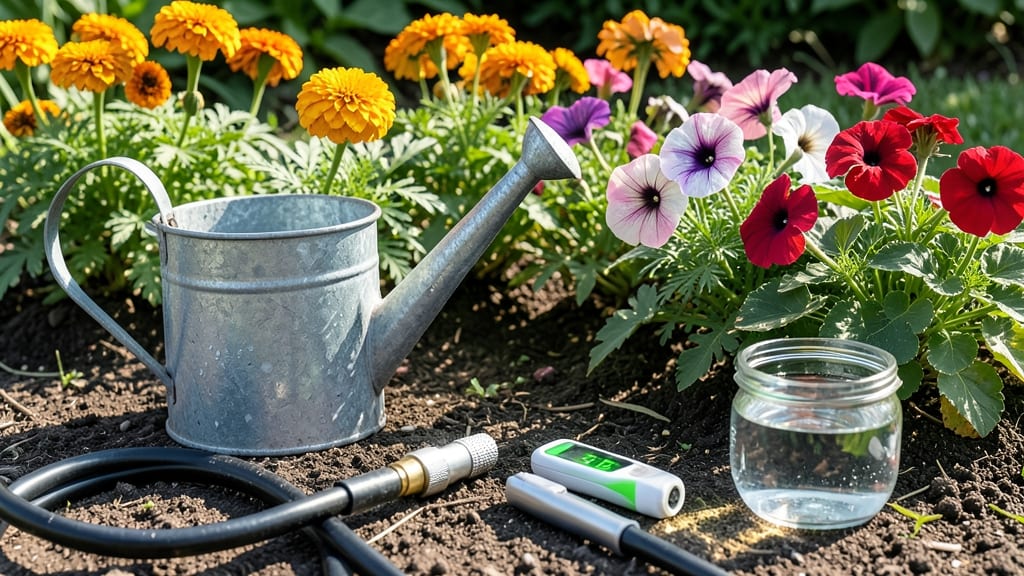
Flowers don't need water every day—most thrive with water every 2-3 days, though tropical plants or sandy soil may require daily attention. Too much water rots roots, while too little causes wilting; always test soil moisture before watering.
Watering frequency depends on the plant type and environment. 🌸 Succulents and cacti store water in their leaves, needing water only when the soil is completely dry, while roses and ferns prefer consistently moist soil.
Humidity levels and temperature also play a role—hot, dry climates increase evaporation, while cooler, damp conditions slow it down. For example, a potted orchid might need water every 5-7 days, whereas a sunflower in a garden bed could handle 2-3 days between waterings.
Morning is the best time to water because it allows excess moisture to evaporate during the day, reducing fungal risks. Always water deeply to encourage strong root growth, and avoid wetting the leaves of sensitive plants.
If you're unsure whether your flowers need water, stick your finger about an inch into the soil—if it feels dry, it's time to water.
💡 In This Article
- How Flower Watering Needs Vary by Type and Climate
- Best Practices for Watering Flowers Without Overdoing It
How flower watering needs vary by type and climate
Different flowers have unique hydration needs because their natural environments and biological adaptations vary dramatically. Succulents and cacti, for example, store water in their thick, fleshy leaves and stems, which allows them to survive weeks without water.
These plants thrive in arid conditions and typically need water only when the top 2-3 inches of soil feel completely dry—often every 2-4 weeks depending on the species.
In contrast, roses and ferns have shallow root systems that require consistently moist soil, needing water every 2-3 days during hot weather to prevent wilting.
The climate plays a critical role in how often you should water. In hot, dry climates, soil dries out faster due to increased evaporation rates—up to 3 times quicker than in cooler, humid environments.
For instance, a geranium in a sunny patio pot might need water daily in summer, while the same plant in a shaded indoor setting could go 5-7 days between waterings.
Humidity levels also matter: tropical flowers like orchids or hibiscus lose moisture slowly in high-humidity areas, often requiring water every 5-7 days, whereas desert-adapted plants like lavender or yucca can handle 10+ days without water.
Seasonal changes further complicate watering schedules. During spring and fall, when temperatures are moderate and rainfall is more frequent, most flowers can go longer between waterings. However, summer heat can increase watering needs by 50-100%**, especially for potted plants, which dry out faster than those in garden beds.
Winter is a different story—many flowers enter dormancy and require minimal water, often just enough to keep the soil slightly moist. For example, a dormant peony might need water only every 3-4 weeks in winter, while a spring-blooming tulip could handle 2-3 weeks without additional water.
Soil type also influences how often flowers need water. Sandy soil drains quickly, meaning flowers in these conditions may need water every 1-2 days in hot weather, while clay soil retains moisture longer, reducing the frequency to every 3-5 days.
Even the container matters: terracotta pots dry out faster than plastic or ceramic ones because they allow moisture to evaporate through their porous walls. If you're growing flowers in containers, consider using self-watering pots or adding a moisture-retentive additive like coconut coir to extend the time between waterings.
Understanding these variations helps you tailor your watering routine to your specific flowers and environment.
For instance, if you're growing a mix of succulents and roses in the same garden, you’ll need to group them by their watering needs or use drip irrigation systems with adjustable timers to deliver the right amount to each plant.
This precision ensures that no flower gets overwatered or underwatered, promoting healthier growth and longer blooming seasons.
One common mistake is assuming all flowers follow the same watering schedule. For example, a bromeliad might only need water every 2 weeks once established, while a petunia could wilt within 48 hours if left dry in hot weather.
Paying attention to these differences—and adjusting your routine accordingly—is the key to keeping your garden thriving year-round.