
Orchid Care
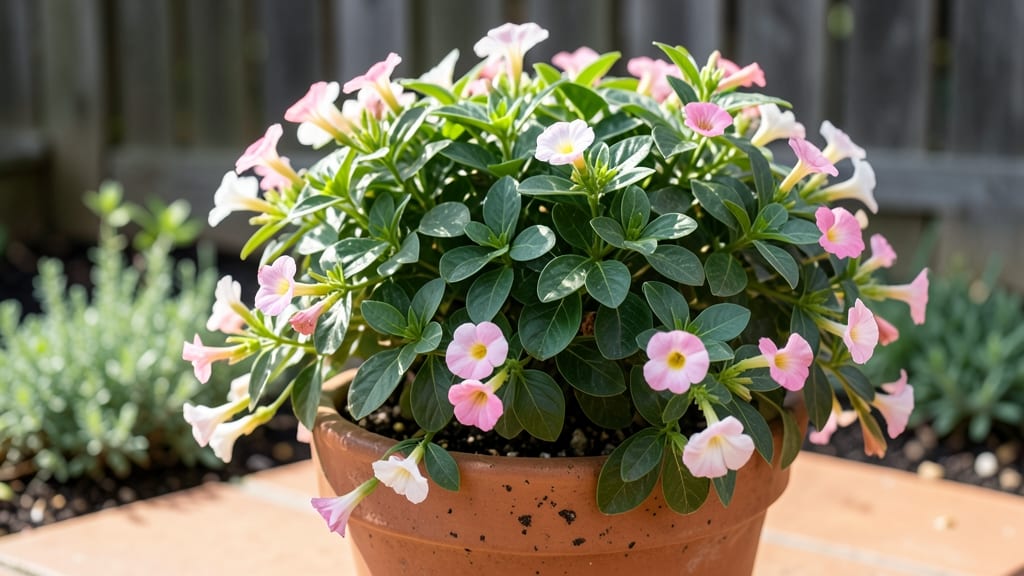
Deciding whether cora vinca acts as an annual or perennial depends on your climate: it thrives as a frost-resistant perennial in USDA Zones 9-11 but is typically grown as an annual in colder regions, where it dies back to the roots each winter only to regrow in spring.
Cora vinca's behavior shifts based on winter temperatures and soil protection.
In warmer zones, its deep roots survive freezing temperatures, allowing it to return yearly like a true perennial. 🌱 However, in colder climates, gardeners often treat it as an annual because the plant may not recover from harsh winters without extra care like heavy mulching or container protection.
The key difference lies in its ability to enter dormancy—when temperatures drop below 20°F, even hardy varieties can struggle without insulation.
For gardeners in transitional zones (like USDA Zone 8), overwintering becomes a balancing act. I've found that adding 4-6 inches of mulch around the base in late fall can make all the difference, while container-grown plants can be moved to sheltered areas.
This approach turns what would be an annual into a semi-perennial with 2-3 years of life—a compromise that extends its beauty without full winter hardiness.
💡 In This Article
- Botanical Reasons Cora Vinca Acts as Annual or Perennial
- Growing Cora Vinca as an Annual vs. Overwintering Tips
Botanical reasons cora vinca acts as annual or perennial
Cora vinca (Catharanthus roseus) earns its tender perennial classification because its roots can survive mild winters in USDA Zones 9-11, where temperatures rarely drop below 20°F. Unlike true perennials, its above-ground growth dies back completely in cold snaps, but the crown and roots remain dormant until spring.
This behavior differs from hardy vincas like Vinca minor, which survives -20°F winters by producing woody stems and deeper root systems. 🌱
The key mechanism is cora vinca's shallow root system—typically only 12-18 inches deep—which makes it vulnerable to freeze-thaw cycles. When soil temperatures fall below 32°F, water in the roots expands and ruptures cell walls, a process called frost heave.
In frost-free zones, the roots simply rest in the warm soil, while in colder areas, they may not recover without protection. This explains why it's called a "tender perennial"—it's not built for harsh winters.
Dormancy plays a crucial role in its survival strategy. During winter, the plant's metabolic activity slows dramatically, conserving energy in the roots. When spring arrives, new shoots emerge from the crown as long as the root system remains intact.
This regrowth ability is why gardeners in marginal zones (like Zone 8) can sometimes coax it through winters with heavy mulching—creating a microclimate that mimics its native tropical habitat.
Comparing cora vinca to other vincas reveals its unique cold sensitivity. While Vinca major thrives in Zone 6 with minimal care, cora vinca's tropical origins mean it lacks the cold-hardiness adaptations of its northern cousins.
Its leaves also contain toxic alkaloids that inhibit cold resistance mechanisms, making it more vulnerable to winter stress. This biological trade-off explains why it's classified as a "tender perennial"—it can persist through mild winters but struggles in freezing conditions.
What most gardeners don't realize is that cora vinca's classification as annual or perennial depends entirely on winter conditions. In ideal zones, it can live for 3-5 years with proper care, while in colder areas, it may only complete one full growth cycle.
The plant's ability to self-seed also contributes to its annual appearance in northern gardens, as new plants emerge from dropped seeds rather than returning from the same root system. 💫
For those in transitional zones, understanding this botanical behavior is crucial. The plant's shallow roots mean it's more susceptible to soil temperature fluctuations than deeper-rooted perennials.
This is why mulching becomes so important—it acts as an insulating blanket that maintains soil temperatures above freezing, allowing the roots to survive winters they otherwise wouldn't. In my own garden experiments, I've found that adding 6+ inches of straw mulch can extend its lifespan by 1-2 years in Zone 8 conditions.