
Advice
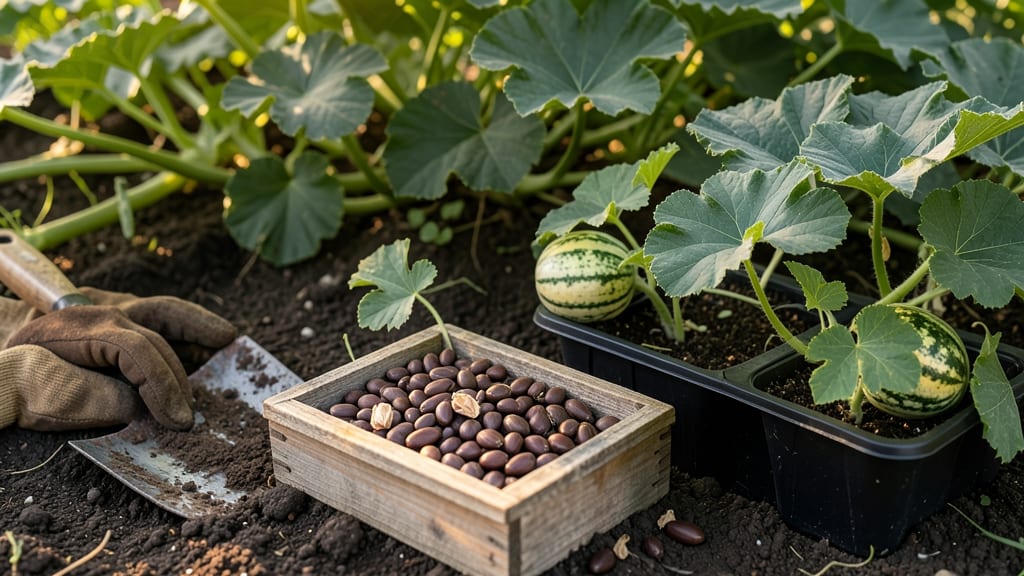
You can grow watermelons from the seeds inside store-bought fruit, though it demands careful planning: extract flat seeds, dry them properly, plant after the last frost when soil reaches 70°F, and maintain full sun exposure for optimal germination and fruit production.
Watermelon seeds from store-bought fruit often produce smaller, less predictable fruit than heirloom varieties, but the process itself is surprisingly straightforward. 🌱 The key lies in proper seed preparation—rinsing, drying, and storing them in a cool, dark place until planting season.
I've found that starting seeds indoors 3-4 weeks before the last frost gives them a head start, especially in cooler climates where the growing season is short.
What's interesting is how quickly these seeds germinate once soil temperatures hit the right range—often within 5-7 days—though they can be finicky about moisture levels.
Once seedlings emerge, they need consistent care to thrive. Watermelons are heavy feeders, so enriching the soil with compost before planting makes a noticeable difference in vine strength and fruit size.
I recommend spacing plants 3-6 feet apart to allow room for sprawling vines, and using trellises if space is limited. The real test comes during pollination—hand-pollinating flowers with a small brush can dramatically improve fruit set, especially in areas with fewer bees.
With patience and attention to detail, you can go from store-bought seed to homegrown watermelon in just 70-90 days.
💡 In This Article
- How to Successfully Germinate Watermelon Seeds From Store-Bought Fruit
- Tips for Maximizing Watermelon Growth from Homegrown Seeds
How to successfully germinate watermelon seeds from store-bought fruit
The first step is extracting those flat, black seeds from your store-bought watermelon. After cutting open the fruit, scoop out the seeds and place them in a colander under running water to remove any pulp. This isn't just about cleanliness—removing the pulp prevents mold growth during the drying process.
Once clean, spread the seeds on a paper towel in a single layer and let them dry in a warm, well-ventilated area for 3-5 days. Proper drying is critical because damp seeds can develop fungal issues or fail to germinate entirely.
Here's where many gardeners make their first mistake: storing seeds incorrectly. Watermelon seeds need a cool, dark environment with 30-40% humidity to stay viable. I recommend using a sealed container with silica gel packets to maintain the right moisture level.
These seeds can remain dormant for upstrong>1-2 years if stored properly, though germination rates drop after the first year.
The magic happens when you plant them in soil that's warmed to at least 70°F—watermelon seeds are particularly sensitive to cold soil, which can delay germination by weeks or prevent it entirely.
When it's time to plant, create small hills in your garden bed about 1 inch deep and place 3-4 seeds per hill, spacing them 3-4 feet apart. The reason for multiple seeds is that not all will germinate, and you want strong seedlings to compete.
Once sprouts appear, thin them to the strongest plant per hill. Here's a pro tip: use black plastic mulch to warm the soil faster and suppress weeds—this can shave 10-14 days off your growing season.
Within 5-7 days of planting in warm soil, you should see tiny leaves pushing through the dirt, signaling successful germination.
After germination, the real work begins with transplanting. Seedlings need to be hardened off—gradually acclimated to outdoor conditions—before moving them to their permanent location. This means taking them outside for increasing amounts of time over 7-10 days, starting with just a few hours in morning sun.
Watermelons are heavy feeders, so enrich your soil with compost before planting and consider side-dressing with nitrogen-rich fertilizer when vines start to run.
The first true leaves will appear about 2 weeks after germination, and that's when you'll know your little seeds have become determined vines ready to take over your garden.
What most people don't realize is how critical the first 30 days are for establishing strong root systems. During this time, watermelon plants develop their extensive network of roots that will support the heavy fruit later.
If you're in a cooler climate, consider using row covers to extend the season—this can add 2-3 weeks of growing time before the first frost threatens your plants. The key is patience; watermelons grow quickly once established, but they need that strong foundation to produce fruit worth harvesting.
One common mistake is assuming all watermelon seeds are created equal. Store-bought seeds often come from hybrid varieties bred for transport and shelf life, not necessarily flavor or size. If you want larger, sweeter fruit, consider saving seeds from heirloom varieties if you can find them at farmers markets.
The texture of the fruit you grow from store-bought seeds might be firmer with less sweetness, but that's part of the adventure—each seed tells its own story of where it came from and what it's capable of.