
Advice
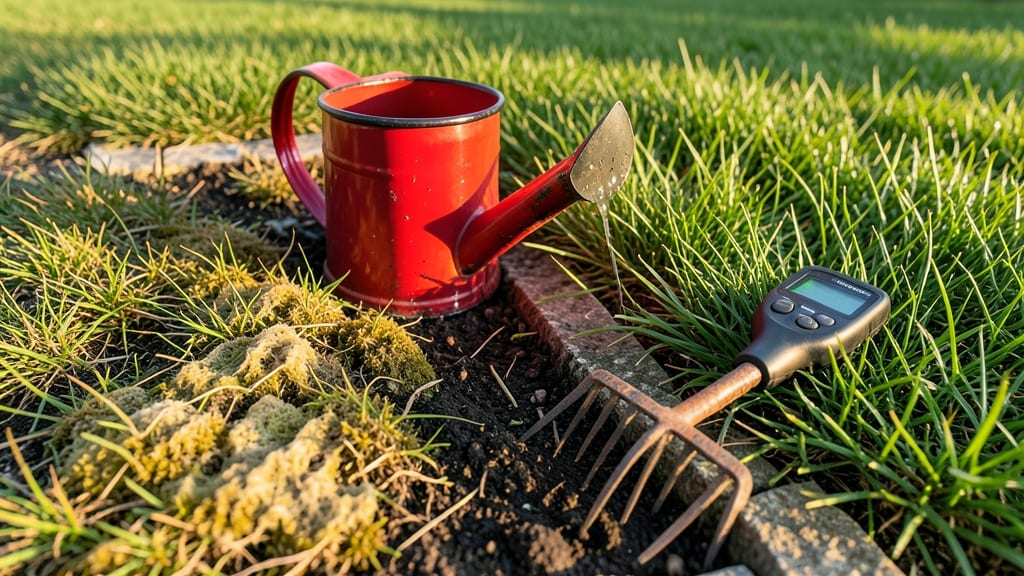
Overwatered grass can recover if caught early, but severe cases may require weeks to months of proper drainage, reduced watering, and aeration to prevent root rot and fungal growth. Act fast to restore balance before permanent damage occurs.
When your lawn looks soggy and yellow, it's not just a cosmetic issue—overwatering creates a suffocating environment for roots, cutting off oxygen and inviting fungal invaders. 🌱 The good news? Grass is surprisingly resilient, and with the right approach, you can revive it.
Start by stopping all watering immediately and improving drainage through soil amendments like compost or sand. Aeration helps break up compacted soil, allowing roots to breathe again. I've seen lawns bounce back in as little as two weeks with consistent care, but severe cases might take months to fully recover.
What's key is monitoring your progress. Look for new root growth at the edges of affected areas and watch for the grass turning a deeper green. If you notice blackened patches or a foul odor, you're dealing with root rot, which requires more aggressive treatment like removing the damaged sod.
Remember, prevention is easier than recovery—always check soil moisture before watering, and never let puddles linger for more than 24 hours.
💡 In This Article
- How Overwatering Damages Grass Roots and Soil
- Step-by-Step Recovery Plan for Waterlogged Lawns
How overwatering damages grass roots and soil
When grass receives too much water, the soil becomes saturated and oxygen levels plummet. Roots need oxygen to respire—just like we need air to breathe—and without it, they suffocate. This creates anaerobic conditions, where harmful bacteria and fungi thrive.
Within 48 hours of constant sogginess, you'll see roots turn brown and mushy as they begin to rot. The worst offenders? Fungal pathogens like Pythium and Fusarium, which spread rapidly in waterlogged environments, creating blackened, spongy patches that smell foul.
The damage doesn't stop there. Excess water leaches away vital nutrients like nitrogen and potassium, which grass needs to stay green and strong. 🌱 Overwatering also weakens the plant's cell walls, making grass blades more susceptible to physical stress—like foot traffic or wind—leading to breakage.
Think of it like drowning: the grass can't absorb what it needs to survive, and its defenses break down. Even drought-resistant grasses like Bermuda or Zoysia will struggle if submerged for more than 3-5 days.
What's happening below ground is just as critical. Healthy grass roots extend 6-12 inches deep, but overwatering forces them to grow shallowly near the surface in search of oxygen. This makes the lawn more vulnerable to heat stress and drought later on.
The soil structure also degrades as water displaces air pockets, causing clay-heavy soils to become even more compacted. This is why lawns that recover from overwatering often feel spongy underfoot—it's a sign the roots haven't fully reestablished their depth.
Grass reacts visibly to this stress too. You'll notice blades turning yellowish-green first, then progressing to grayish-brown as chlorophyll production slows. The edges of blades may curl or develop a "fish mouth" shape—a classic sign of waterlogged roots.
In severe cases, entire sections of grass will pull up easily, revealing blackened, slimy roots. This is your body telling you: "Help!
I can't breathe!" 💫 The longer the grass stays in this state, the harder it becomes to revive, which is why acting within 24-48 hours makes all the difference.
Here's the science behind the smell: Anaerobic bacteria produce volatile organic compounds like hydrogen sulfide (the same gas that gives rotten eggs their stink). This isn't just unpleasant—it's a warning sign that your lawn's ecosystem has tipped toward decay. The good news?
Grass roots are more resilient than you might think. With proper care, they can regenerate new growth from the healthier parts of the root system, often within 2-4 weeks, depending on the grass type and severity.
Consider this comparison: A healthy lawn's soil holds about 25-30% air by volume. When overwatered, that drops to 10% or less, creating a suffocating environment. This is why aeration becomes so crucial—it physically opens up those air pockets, allowing roots to "breathe" again.
The key is to act before the damage becomes irreversible, because once roots rot, they can't regrow from that damaged tissue.