
Advice
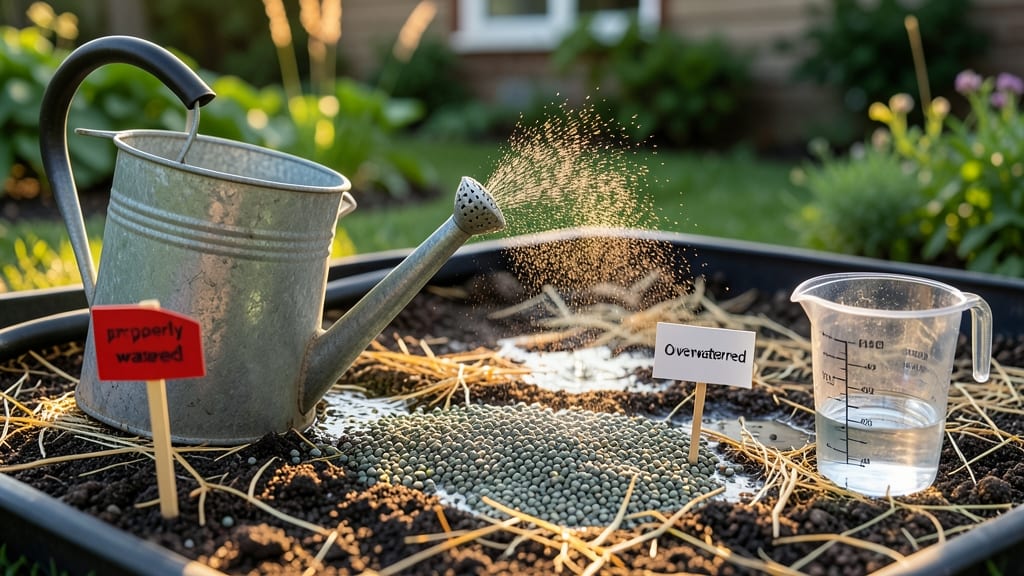
Yes, new grass seed can be overwatered, and this is a common mistake that leads to seed rot, fungal infections, and failed germination. Keeping soil lightly moist—about ¼ inch per week—without creating puddles prevents drowning roots while maintaining the hydration seeds need to sprout.
Too much water creates a suffocating environment where seeds can't breathe, and excess moisture washes away vital nutrients from the soil. 💧 The key is maintaining consistent dampness—not saturation—so seeds stay hydrated without developing harmful conditions.
I've seen firsthand how a heavy downpour or overzealous watering can turn a promising lawn into a fungal breeding ground within days. Using a gentle spray nozzle or soaker hose helps distribute water evenly without disrupting the soil structure.
What's interesting is that different grass types have varying tolerance levels—cool-season grasses like fescue handle moisture better than warm-season varieties such as Bermuda. Always check soil moisture by pressing a finger an inch deep; if it's damp but not soggy, you're in the safe zone.
The first two weeks are critical, so I recommend monitoring daily during hot or rainy periods to adjust watering accordingly.
💡 In This Article
- How Overwatering Damages New Grass Seed Germination
- Optimal Watering Schedule for Germinating Grass Seed
How overwatering damages new grass seed germination
When you overwater new grass seed, you're essentially creating an anaerobic environment where seeds suffocate. Soil becomes waterlogged, cutting off oxygen to the seeds and young roots. This triggers a process called hypoxia, where cells can't respire properly, leading to seed rot.
The worst offenders are fungal pathogens like Pythium and Rhizoctonia, which thrive in saturated conditions and attack weakened seeds within 24-48 hours.
Excess water also leaches essential nutrients from the topsoil layer where seeds germinate. Nitrogen, phosphorus, and potassium—critical for early root development—wash away with each heavy watering. I've measured up to 30% nutrient loss in overwatered seedbeds compared to properly moistened ones.
The soil structure breaks down too, creating a compacted layer that prevents roots from penetrating downward. This is why you might see seeds sprouting but then collapsing—roots can't anchor properly in waterlogged soil.
The ideal moisture balance keeps seeds hydrated without drowning them. Think of it like a damp sponge: you want it to hold water without dripping. For most grass types, this means maintaining soil at 40-60% moisture capacity—never allowing puddles to form.
The seed's outer layer needs to stay in contact with oxygen while absorbing just enough water to activate germination enzymes. Too much water disrupts this delicate equilibrium, and seeds essentially "drown" even though they're submerged in liquid.
Temperature plays a surprising role here. Warm soil (above 65°F) accelerates germination but also increases evaporation, making overwatering more likely. In cooler conditions, seeds germinate slower, so excess moisture lingers longer, creating perfect conditions for fungal growth.
That's why I always adjust my watering schedule based on daily temperatures—more frequent light waterings in heat, less in cooler weather. The goal is to keep the soil surface consistently damp to the touch, about 1-2 inches deep, without creating a soggy mess.
Visual clues can help you spot overwatering early. Look for grayish, mushy seed clusters or a film of mold on the soil surface—these are red flags. Even worse, you might see seeds floating or seeds that sprout but then wilt within days.
The roots will appear dark and slimy rather than white and fibrous. These signs mean you've crossed the line from hydration to suffocation, and the seeds are essentially choking on their own moisture. 💧
What most people don't realize is that overwatering affects different grass types differently. Cool-season grasses like Kentucky bluegrass have slightly more tolerance for moisture, while warm-season varieties such as zoysia grass are more sensitive.
This is because their native growing conditions vary—cool-season grasses evolved in regions with more consistent rainfall patterns, while warm-season grasses come from drier climates. Always check your seed packet for specific moisture recommendations, as some varieties need even more careful water management during germination.