
Advice
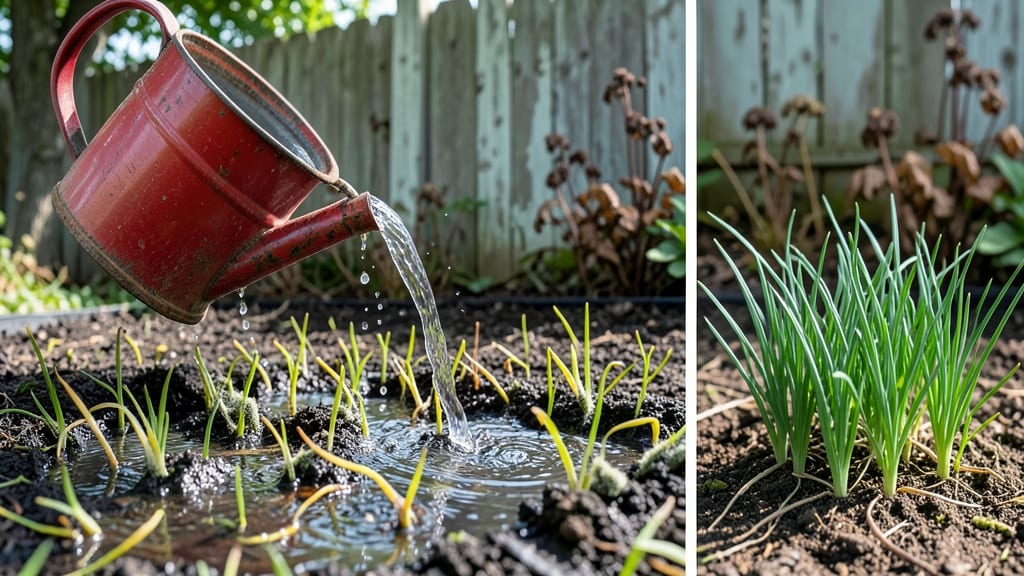
Yes, grass seed can be overwatered, and it can ruin your lawn by causing yellowing leaves, suffocating roots, and inviting fungal diseases like root rot. The key is maintaining consistently moist (not soggy) soil during germination—about ¼ inch of water daily—while ensuring proper drainage.
Too much water creates a suffocating environment for young roots, blocking oxygen and nutrients they desperately need. 🌱 This anaerobic condition weakens seedlings, making them vulnerable to diseases like Pythium, which thrives in waterlogged soil.
I’ve seen entire seed trays fail within days when overwatered—always check soil moisture with your finger before watering again. For new lawns, aim for dampness like a wrung-out sponge, never puddles.
Here’s the fix: if you spot yellowing leaves or moldy soil, reduce watering immediately and improve drainage by adding compost or sand. A moisture meter helps track soil conditions—shoot for 30-50% moisture during germination. Pro tip: water early in the day so excess moisture evaporates, giving roots a fighting chance.
💡 In This Article
- How Overwatering Damages Grass Seed Roots
- Signs of Overwatered Grass Seed and Fixes
How overwatering damages grass seed roots
When you overwater grass seed, you're essentially drowning the roots in a process called anaerobic respiration. Healthy roots need oxygen to convert glucose into energy, but excess water fills soil pores, displacing oxygen and creating a suffocating environment.
This forces roots to switch to anaerobic metabolism, which produces toxic byproducts like ethanol and lactic acid—similar to how human muscles feel after intense exercise without enough oxygen. 🌱 Young grass roots are especially vulnerable because they lack the extensive root systems of mature plants to compensate.
The damage doesn't stop there—overwatering triggers a cascade of problems. First, it leaches essential nutrients like nitrogen and phosphorus from the soil, leaving seedlings starved. Second, it creates the perfect breeding ground for fungal pathogens like Pythium and Rhizoctonia, which thrive in waterlogged conditions.
These fungi attack root tissues, causing them to rot and turn brown or black. I've seen seedling trays collapse within 48 hours when kept constantly soggy, with mold forming on the soil surface like a fuzzy white blanket.
Here's the science: Grass seeds need soil moisture at about 30-50% capacity during germination, but this drops to 20-30% for established roots. The key difference is how quickly excess water disrupts the delicate balance.
When soil stays saturated for more than 24 hours, microbial activity shifts from beneficial bacteria to harmful fungi, accelerating root decay. Even worse, compacted soil from repeated watering reduces pore space, making it harder for oxygen to reach roots later.
Contrast this with proper watering: The ideal germination soil should feel like a damp sponge—you can squeeze it gently and see moisture bead up, but it shouldn't drip water. Think of it as giving your seeds a drink rather than a bath.
For example, Kentucky bluegrass seeds need consistent moisture but will suffocate if kept in standing water, while Bermuda grass can tolerate slightly drier conditions once established. This is why seed packets often specify watering instructions—following them isn't optional, it's survival insurance. 💧
One common misconception is that more water equals better germination, but the opposite is true. Excess moisture actually reduces seed viability by up to 40% in some cases, according to agricultural studies.
The root hairs that absorb water and nutrients begin to die within 12-24 hours of being submerged, and without these tiny hairs, seedlings can't sustain themselves. Even if they sprout, they'll be weak and prone to disease.
What most gardeners don't realize is how quickly overwatering becomes irreversible. Once roots start rotting, they can't regenerate—the damage is permanent. That's why preventing overwatering is far easier than fixing it. The solution lies in understanding your soil's drainage characteristics and adjusting your watering schedule accordingly.
For example, clay soils hold water for days, while sandy soils drain within hours—knowing this difference can save your entire lawn project. 🌿