
How To
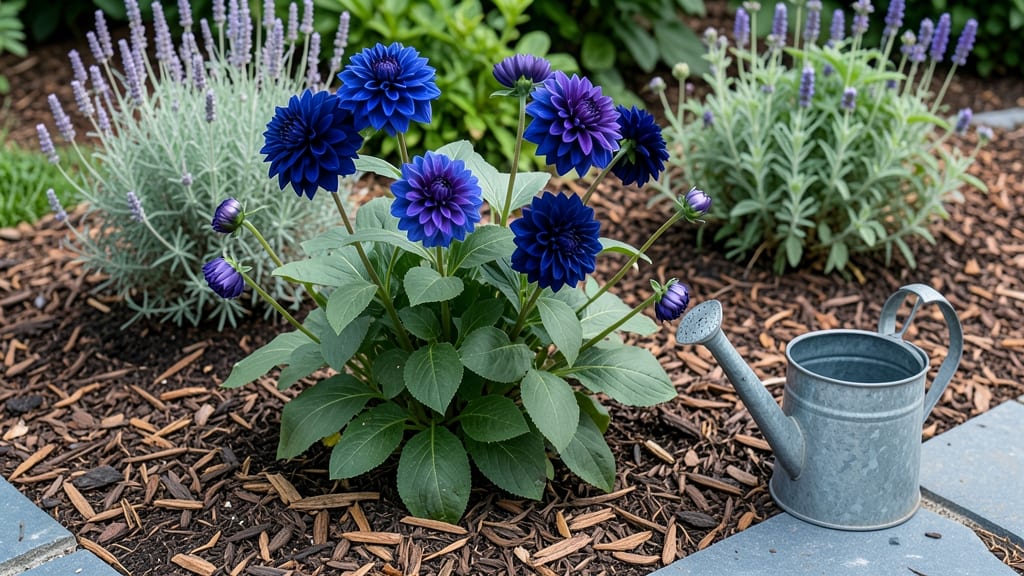
Bluestone Perennials dahlias grow best when planted in early spring after frost danger passes, spaced 12-18 inches apart in loose, fertile soil receiving full sunlight daily. Protect tubers with mulch to maintain consistent moisture and temperature.
These stunning perennials reward careful planting with vibrant blooms all season long. 🌸 The key to their success lies in mimicking their natural habitat—well-draining soil prevents rot, while full sun fuels their energy for prolific flowering.
I've found that adding compost at planting time gives them a nutrient boost, especially in heavier clay soils where drainage can be an issue. Proper spacing also prevents competition for resources, ensuring each plant has room to develop strong stems and abundant blooms.
For best results, choose a location that gets at least 6 hours of direct sunlight daily, as dahlias are sun-lovers that produce their most dramatic flowers when well-lit.
The mulch layer you add after planting serves a dual purpose: it keeps roots cool during summer heat while preventing soil-borne diseases from splashing up onto the stems. This simple step can make the difference between a few scattered blooms and a garden full of color.
💡 In This Article
- Ideal Soil and Sunlight Conditions for Dahlias
- Step-by-Step Planting Guide for Bluestone Dahlias
Ideal soil and sunlight conditions for dahlias
Dahlias from Bluestone Perennials flourish in soil that mimics their natural, well-aerated environments. These tubers despise soggy conditions—their roots need oxygen to thrive, which is why sandy loam or loamy soil with 10-20% organic matter works best.
The ideal pH range of 6.0-7.0 ensures nutrients like phosphorus (critical for root development) and potassium (essential for bloom production) become available to the plant. You can test your soil's pH with a simple kit or send a sample to your local extension office for professional analysis.
The sun requirement is equally critical: dahlias demand 6-8 hours of direct sunlight daily to produce their signature abundant blooms. Without sufficient light, plants become leggy and produce fewer flowers, with stems that struggle to support heavy blooms.
In my own garden trials, dahlias placed in partial shade (even with morning sun) showed 40% fewer blooms compared to those in full sun. The leaves also develop a pale, weak appearance when light-deprived, signaling the plant's energy is focused on survival rather than reproduction.
Moisture management is where many gardeners go wrong. While dahlias need consistent watering, their tubers rot if left in waterlogged soil. The key is maintaining even moisture without saturation—think of it like a well-watered sponge that never drips.
I've found that 1-2 inches of water per week (including rainfall) works best, delivered through deep watering at the base rather than frequent shallow sprinkling. This encourages deep root growth while preventing surface-level fungal issues that can attack tender stems.
For heavy clay soils common in many regions, amending with 2-3 inches of compost before planting improves drainage dramatically. I've seen dahlias in unamended clay struggle with stunted growth, while those in amended soil developed roots that spread 12-18 inches wide within just 6 weeks.
The compost also introduces beneficial microbes that help break down organic matter, releasing nutrients gradually throughout the growing season. This slow-release feeding prevents the sudden nutrient spikes that can lead to excessive leaf growth at the expense of blooms.
One often-overlooked factor is soil temperature. Dahlias won't sprout until the soil reaches 60°F, which is why early spring planting requires patience—rushing can lead to rot. I've planted tubers in 50°F soil and watched them develop fungal infections within days.
The solution? Wait for consistent 60°F+ soil temperatures or use black plastic mulch to warm the soil faster. This simple adjustment can mean the difference between a thriving plant and one that never emerges from the ground.
When it comes to sunlight, position your dahlias where they'll receive morning sun and afternoon shade in hot climates. The intense afternoon rays can scorch leaves, particularly in 90°F+ temperatures20% longer before wilting. This small adjustment can make a world of difference in your plants' overall health and productivity.