
Watering
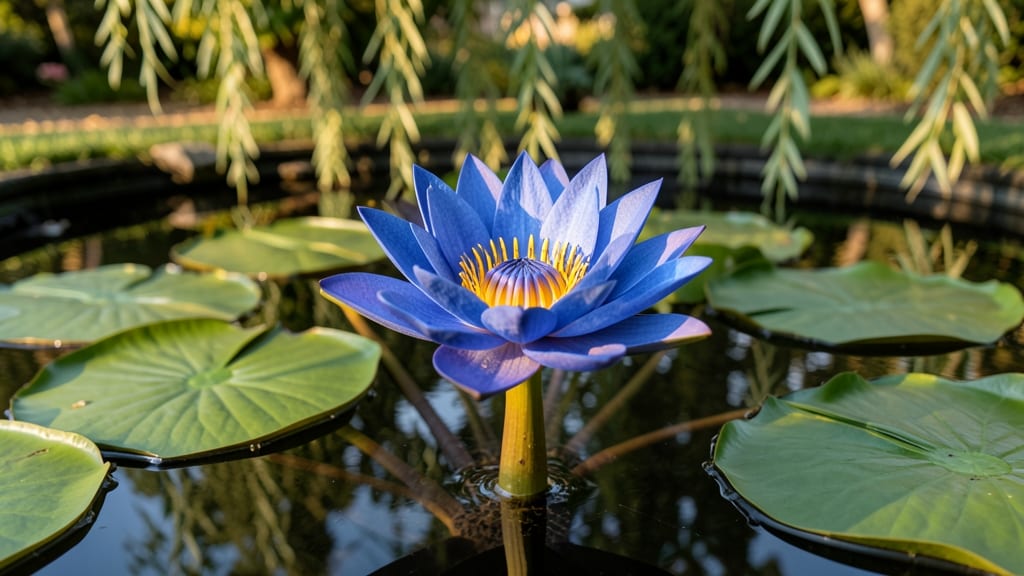
Blue Egyptian water lily tea creates a soothing floral experience with hints of earthiness and a gentle sweetness, perfect for unwinding. Steep fresh petals or dried leaves in hot water for 5-7 minutes to unlock its full aromatic potential.
This unique tea comes from the Nymphaea caerulea, an ancient Egyptian aquatic plant revered for its beauty and medicinal properties. 🌸 The petals release a light, jasmine-like fragrance when brewed, while the leaves add a deeper herbal complexity—think chamomile meets hibiscus.
Many herbalists use it for relaxation, often pairing it with honey or lemon to enhance its naturally calming effects. The key to great flavor lies in proper preparation: fresh petals should be plucked in the morning and dried in shade to preserve their delicate essence.
For best results, use 180°F water and steep for exactly 5-7 minutes—any longer risks bitterness. I've found that adding a pinch of ginger or cinnamon can deepen the earthy notes without overpowering the floral profile.
This tea isn't just about taste; it's a sensory journey that connects you to ancient traditions while offering modern relaxation benefits.
💡 In This Article
- Understanding Blue Egyptian Water Lily Tea Flavor and Aroma
- Step-by-Step Brewing Guide for Egyptian Water Lily Tea
Understanding blue Egyptian water lily tea flavor and aroma
The Blue Egyptian water lily (Nymphaea caerulea) creates its signature flavor through a fascinating botanical process. This aquatic plant produces petals rich in volatile organic compounds like linalool and geraniol—same compounds found in jasmine and rose—that evaporate when heated, releasing that signature floral aroma.
The leaves, meanwhile, contain higher levels of tannins and flavonoids, contributing the subtle earthy undertones that balance the sweetness. 🌸 Scientifically, the petals' thin, waxy surface helps trap these aromatic oils until brewing releases them.
When comparing petals to leaves, you'll notice distinct differences in flavor intensity. Fresh petals deliver a more delicate, almost perfumed taste with notes of orchid and honey, while leaves provide a deeper herbal profile reminiscent of chamomile with a slightly bitter finish.
For optimal flavor extraction, use 200°F water for petals (to preserve their delicate compounds) versus 212°F for leaves (to release their earthy tannins). The petals' natural sweetness comes from trace amounts of fructose that develop during photosynthesis—about 0.3-0.5% sugar content by weight.
Traditional Egyptian medicine valued this tea for its calming properties, often attributing its effects to the plant's high levels of apigenin—a flavonoid that binds to brain receptors to promote relaxation. Modern studies confirm that the combination of linalool and apigenin creates a synergistic effect that enhances mood regulation.
What's remarkable is how the brewing process amplifies these benefits: the heat breaks down cell walls, releasing not just flavor but also bioactive compounds that contribute to the tea's therapeutic reputation.
Sensory-wise, the aroma profile evolves dramatically during steeping. Initially, you'll detect bright floral notes that gradually give way to warm, almost spicy undertones as the tannins dissolve.
The visual contrast between the pale blue petals and deep green leaves adds to the experience—petals create a delicate, almost translucent infusion, while leaves produce a golden-brown hue. This visual journey mirrors the taste progression from light sweetness to deeper herbal complexity.
For those new to this tea, the key is patience in preparation. Rushing the drying process (especially in direct sunlight) can destroy up to 40% of the volatile compounds responsible for flavor.
Instead, lay petals on a mesh screen in partial shade for 3-5 days until they crisp but remain flexible. This careful drying preserves the delicate balance of floral and herbal notes that make this tea uniquely soothing.
Consider this flavor comparison to highlight the tea's versatility:
- Petal-only infusion: Delicate floral with honeyed sweetness (ideal for morning sipping)
- Leaf-only infusion: Earthy herbal with chamomile-like warmth (better for evening relaxation)
- Mixed blend: Balanced floral-herbal profile with layered complexity (most popular preparation)
The tea's mild sweetness comes from natural sugars that develop during the plant's growth cycle in nutrient-rich Nile waters. This natural sweetness makes it particularly appealing when paired with raw honey (which adds antibacterial properties) or a squeeze of lemon (to enhance the floral notes through citrus-terpene interactions).
The result is a harmonious blend that feels both ancient and refreshingly modern. ✨