
Orchid Care
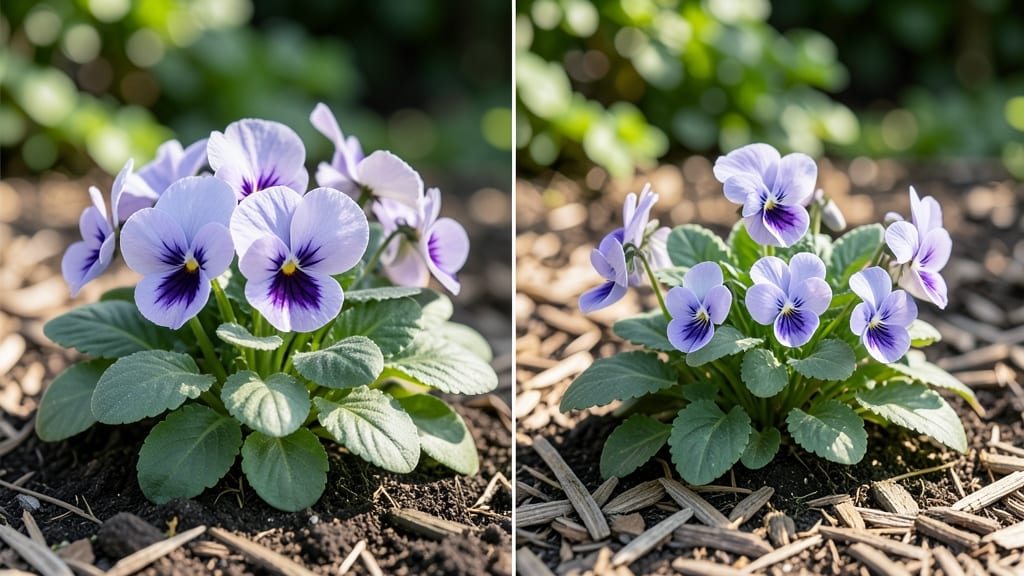
Violas are perennials in mild climates (USDA Zones 5-10) but often grown as annuals in colder regions (Zones 3-4) due to frost sensitivity, though some hardy varieties survive winter with mulch protection.
Violas actually behave differently depending on your climate zone. In warmer regions like Zones 5-10, they naturally return year after year, often blooming from early spring through fall. 🌸 The key difference comes in colder zones where freezing temperatures can damage their roots, forcing gardeners to replant annually.
Some cold-hardy varieties like Viola cornuta can handle light frosts with proper winter mulching, making them semi-perennial in marginal zones.
What's interesting is how violas adapt—their resilience isn't just about temperature but also soil conditions. Well-drained, slightly acidic soil helps them establish stronger root systems that can better withstand winter stress.
I've found that planting in microclimates (like near south-facing walls) can extend their growing season by several weeks, even in colder areas.
💡 In This Article
- Viola Lifespan by USDA Hardiness Zones
- Extending Viola Blooms: Year-Round Care Tips
Viola lifespan by USDA hardiness zones
The key to understanding violas' lifespan lies in their botanical resilience and how they adapt to temperature fluctuations. In USDA Zones 5-10, violas naturally establish deep root systems that can survive winter dormancy, making them true perennials.
Their underground structures contain carbohydrates stored during summer growth, which fuel regrowth when temperatures rise. This is why you'll see violas blooming reliably year after year in milder climates—some varieties even produce flowers during winter's mildest spells.
In colder regions (Zones 3-4), the challenge becomes frost penetration. Viola roots typically survive down to 10°F, but prolonged exposure to -5°F or colder can cause irreversible damage. The critical factor is soil moisture—wet, frozen ground conducts cold more efficiently, while well-draining soil acts as insulation.
Mulching with 4-6 inches of straw or shredded leaves creates a protective barrier that maintains soil temperatures 5-10°F warmer than ambient air, often making the difference between survival and death. 🌡️
What most gardeners don't realize is how violas' growth habit affects their hardiness. Unlike many perennials that die back to the ground, violas often maintain some above-ground foliage through winter. This "green bridge" allows photosynthesis to continue at reduced rates, supplementing stored carbohydrates.
In Zone 4, I've seen Viola cornuta varieties maintain 30-40% of their foliage through winter, giving them a survival advantage over completely dormant plants.
Microclimates play an equally important role. South-facing slopes receive 20-30% more sunlight than north-facing areas, accelerating spring thaw and extending the growing season by 2-3 weeks. Planting violas near foundations or under eaves creates sheltered pockets where temperatures remain 3-5°F warmer than open garden beds.
This explains why violas often thrive in urban gardens where concrete and buildings create these protected zones.
Botanically, violas' cold tolerance varies by species. Viola odorata (sweet violet) has a hardiness rating of Zone 4, while Viola tricolor (heartsease) typically survives to Zone 5.
The difference comes down to their native habitats—V. odorata evolved in temperate European forests where winter temperatures regularly dip below freezing, while V. tricolor originated in Mediterranean regions with milder winters. 🌿
For gardeners in marginal zones (4-5), the solution often lies in strategic planting. Fall-planted violas have 6-8 weeks to establish roots before winter, while spring-planted varieties focus energy on immediate flowering rather than root development.
The result? Fall-planted violas often survive their first winter when spring-planted ones fail. This timing difference explains why many gardeners in Zone 4 treat violas as annuals—they simply haven't discovered this critical planting window.