
Plants
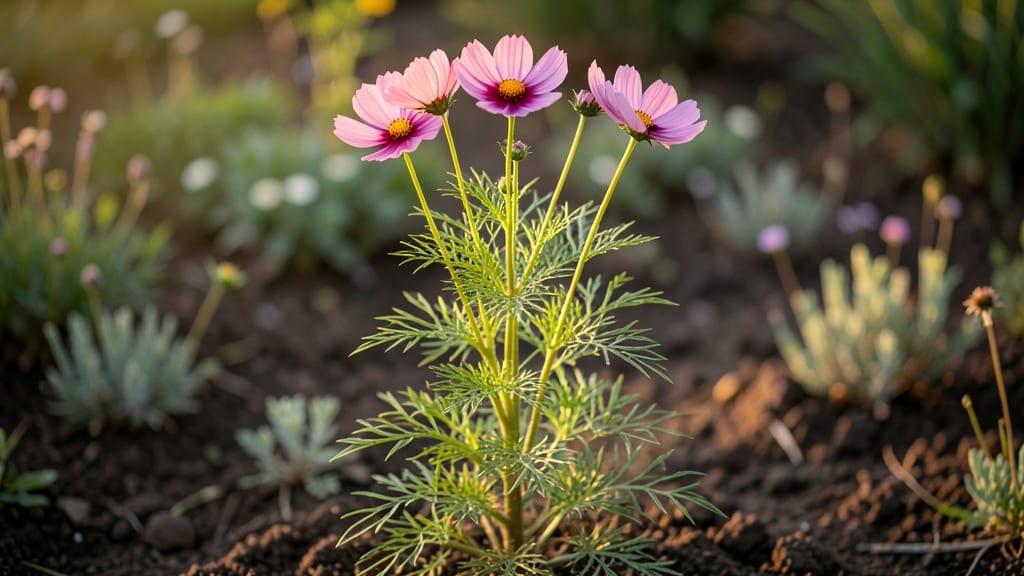
Cosmos aren’t perennials—they’re annuals that reseed so aggressively they feel like perennials. 🌻 I’ve watched my garden fill with cosmos year after year without replanting, thanks to their self-seeding superpowers.
In USDA Zones 9-11, they might overwinter as short-lived perennials, but in most climates, they’ll drop seeds and return stronger than ever next spring.
The confusion comes from how they behave: cut back the spent blooms, and new ones pop up all season. That’s why gardeners swear by them—zero fuss, just cut-and-come-again blooms. In colder zones (3-8), they’ll die back in winter but self-seed like crazy, often outcompeting weeds.
The trick? Let a few stems go to seed, and you’ll have a free show next year.
For true perennial cosmos, try Mexican cosmos (Cosmos atrosanguineus), which survives winters in Zones 8-11 with mulch. Otherwise, embrace their annual nature—they’re low-maintenance, drought-tolerant, and attract pollinators like nobody’s business. Just don’t deadhead all the seed heads if you want next year’s free display.
Pro tip: In colder climates, harvest seeds in fall and store them for early spring sowing—this gives you control over where they pop up. Most gardeners, though, just let them do their thing and enjoy the show. They’re the ultimate low-effort, high-reward plant.
📚 In This Guide
- What you need
- Instructions
- Tips and common mistakes
- Wrapping up and next steps
What you need
- ● Cosmos seeds or seedlings: Choose Cosmos bipinnatus or Cosmos sulphureus varieties (perennial in USDA Zones 9-11; otherwise, grow as annuals). Quantity: 10–20 seeds or 5–10 seedlings for a small patch.
- ● Well-draining potting mix: 5–10 gallons (for containers) or enrich garden soil with 2–3 inches of compost (cosmos hate soggy roots!).
- ● Garden trowel or transplanting spade: For digging holes (depth: 2–3 times the root ball).
- ● Watering can or hose with a gentle nozzle: Cosmos prefer 1 inch of water per week—drought-tolerant once established!
- ● Pruning shears: To snip spent blooms and encourage cut-and-come-again growth.
- ○ Stakes or tomato cages (optional): Tall varieties (like ‘Bright Lights’) may need support (4–6 stakes per 3–4 ft plant).
- ● Slow-release fertilizer: A balanced 10-10-10 or low-nitrogen formula (1 tbsp per plant) at planting time.
- ● Mulch (straw or shredded leaves): Spread 2–3 inches around plants to retain moisture and deter weeds.
- ● Drip irrigation kit: For automated watering (cosmos love consistency!).
- ● Deadheading scissors: For precise trimming of faded blooms (keeps flowers coming!).
How to grow cosmos for season-long blooms
Cosmos aren't perennials—but they grow so prolifically you'll forget they're annuals.
🌱 Step 1: Choose the Right Variety and Planting Time
Select a variety like 'Sensation Mix' or 'Bright Lights' for reliable blooms. Cosmos thrive in full sun and tolerate poor soil, but they need consistent moisture until established. Plant seeds directly in the garden after your last frost date when soil reaches 60°F—they won't tolerate transplanting well.
Sow seeds ¼ inch deep and 12 inches apart in rows spaced 18 inches apart. Thin seedlings to the strongest plant per spot when they reach 3 inches tall. I always plant extra seeds because birds love to snack on the tiny seedlings—it's a casualty of their popularity.
☀️ Step 2: Provide Optimal Sun and Water
Cosmos need 6-8 hours of direct sun daily for continuous blooming. In hot climates, afternoon shade prevents flowers from bolting too quickly. Water deeply once a week once established, but keep soil moist during germination and early growth.
You'll know they're happy when stems grow 2-3 feet tall with feathery foliage before flowering. Mulch around plants with 2 inches of straw or shredded leaves to retain moisture and suppress weeds. This is where cosmos show their zero-fuss nature—they'll bloom even if you forget to water occasionally.
✂️ Step 3: Deadhead for Nonstop Blooms
Here's the secret to their "cut-and-come-again" reputation: Snip spent blooms back to the first set of healthy leaves below the flower head. This encourages new buds to form continuously until frost. I use clean pruners and always sterilize them with rubbing alcohol between plants to prevent disease spread.
Regular deadheading also prevents the plants from going to seed too early, which can shorten the blooming season. You'll see new flower buds forming within 1-2 weeks of deadheading—proof that cosmos reward consistent care with abundant rewards.
🌿 Step 4: Extend the Season with Simple Tricks
To prolong blooms, cut back plants by half their height in early fall when flowers start slowing. This rejuvenates growth and often produces a second flush of blooms before winter. In mild climates, cosmos may self-seed prolifically, giving you free plants next year.
For a true perennial effect, plant cosmos alongside true perennials like black-eyed Susans or coneflowers. The staggered blooming times create continuous color from early summer through fall, making your garden look intentional all season long.
Tips & tricks for perfect season-long cosmos blooms
Here's what I've learned after growing cosmos for years—the little tricks that make all the difference between a pretty summer and a showstopping season.
Variety Selection: While 'Sensation Mix' and 'Bright Lights' are my go-tos for reliable blooms, don't overlook 'Seashells' for delicate pastel flowers or 'Cosmos bipinnatus' for classic daisy-style blooms. The key difference? 'Bright Lights' varieties have striped stems that add vertical interest, while traditional types focus on pure flower power. I always plant at least one of each to extend my color palette naturally.
Planting Strategy: In Step 1, when sowing seeds ¼ inch deep, I use a simple trick to ensure proper spacing: Scatter seeds first, then lightly rake the soil to cover them. This creates a more natural distribution than trying to place each seed individually. For the 12-inch spacing between plants, I use a simple ruler or measuring tape marked with increments—this prevents overcrowding that can lead to leggy stems and fewer blooms. Remember, cosmos will fill in beautifully, but giving them room to breathe now means more flowers later.
Sunlight Management: The 6-8 hours of direct sun requirement is non-negotiable for continuous blooming, but here's the pro tip: In particularly hot climates, provide afternoon shade during peak summer months (when temperatures exceed 90°F). I use shade cloth or plant cosmos near taller perennials that provide natural shade. This prevents the flowers from bolting too quickly and extends your blooming season by several weeks. The feathery foliage is a dead giveaway—they'll start looking stressed if they're not getting enough light or too much heat.
Deadheading Technique: When you're ready to snip spent blooms in Step 3, here's my secret: Always cut back to the first set of healthy leaves below the flower head—not just the base. This encourages stronger regrowth from a more established part of the plant. I keep a small spray bottle of rubbing alcohol handy to sterilize my pruners between cuts, which has prevented powdery mildew in my garden. And that 1-2 week window for new buds to form? It's actually more like 7-10 days if you're consistent with your deadheading schedule.
Pro Tips for Are Cosmos Perennials
- Here's what I've learned after growing cosmos for years—the little tricks that make all the difference between a pret...
- Variety Selection: While 'Sensation Mix' and 'Bright Lights' are my go-tos for reliable blooms, don't overlook 'Seash...
- Planting Strategy: In Step 1, when sowing seeds ¼ inch deep, I use a simple trick to ensure proper spacing: Scatter s...
Frequently asked questions
Got questions about growing cosmos perennials? You’re not alone!
Whether you're a seasoned gardener or just starting out, these answers will help you cultivate stunning, low-maintenance blooms with ease.
Are cosmos really perennials, or are they annuals?
While Cosmos bipinnatus and Cosmos sulphureus are often grown as annuals in cooler climates (they die back in frost), they can be perennials in USDA Zones 9-11. In milder winters, they may self-seed or regrow from the roots—just give them a cozy spot and they’ll reward you with repeat blooms!
How long does it take for cosmos to bloom after planting?
Patience pays off! Cosmos typically bloom 60-70 days after sowing seeds (or 8-10 weeks from transplanting). For faster flowers, start seeds indoors 4-6 weeks before your last frost date. Once established, they’ll keep blooming nonstop until frost—perfect for cut-and-come-again gardens!
Can I grow cosmos in containers or small gardens?
Cosmos thrive in containers, window boxes, or small garden beds—they’re lightweight and adaptable. Use a well-draining mix (like 60% potting soil + 40% perlite) and a pot at least 12 inches deep. Dwarf varieties like ‘Bright Lights’ or ‘Sensation’ are ideal for tight spaces. Just ensure they get full sun (6+ hours/day)!
Why aren’t my cosmos blooming—what am I doing wrong?
No flowers? Check these fixes:
- Too much nitrogen: Cosmos need low fertility. Use a balanced (5-10-5) or phosphorus-heavy fertilizer to encourage blooms.
- Overcrowding: Thin seedlings to 12–18 inches apart for better airflow and sunlight.
- Deadheading lag: Snip spent blooms daily to prompt more flowers (but leave some for seeds if you want next year’s crop!).
- Shady spot: Cosmos wilt without sun—relocate to a sunnier area if growth slows.
What’s the best alternative if I can’t grow cosmos perennials?
If your climate isn’t cosmos-friendly, try these perennial cut-and-come-again bloomers:
- Zinnias (annuals but self-seed easily; great for pollinators)
- Coneflowers (Echinacea) (drought-tolerant, perennial in Zones 3–9)
- Black-eyed Susans (Rudbeckia) (cheerful yellow blooms, thrives in poor soil)
- Salvias (perennial in Zones 5–10; attracts hummingbirds)
Wrapping up and next steps
Cosmos perennials are the ultimate low-maintenance bloomers, offering vibrant, long-lasting flowers with minimal effort—perfect for busy gardeners or beginners! 🌸 Their "cut-and-come-again" nature means you can harvest blooms for bouquets and enjoy nonstop color, all while resisting pests and thriving in poor soil.
Whether you’re drawn to their effortless charm or their eco-friendly resilience, these plants prove that stunning gardens don’t require a green thumb.
Ready to transform your space? Start small—plant a few cosmos in a sunny spot, then expand as you fall in love with their carefree beauty. Happy gardening! 🌱